
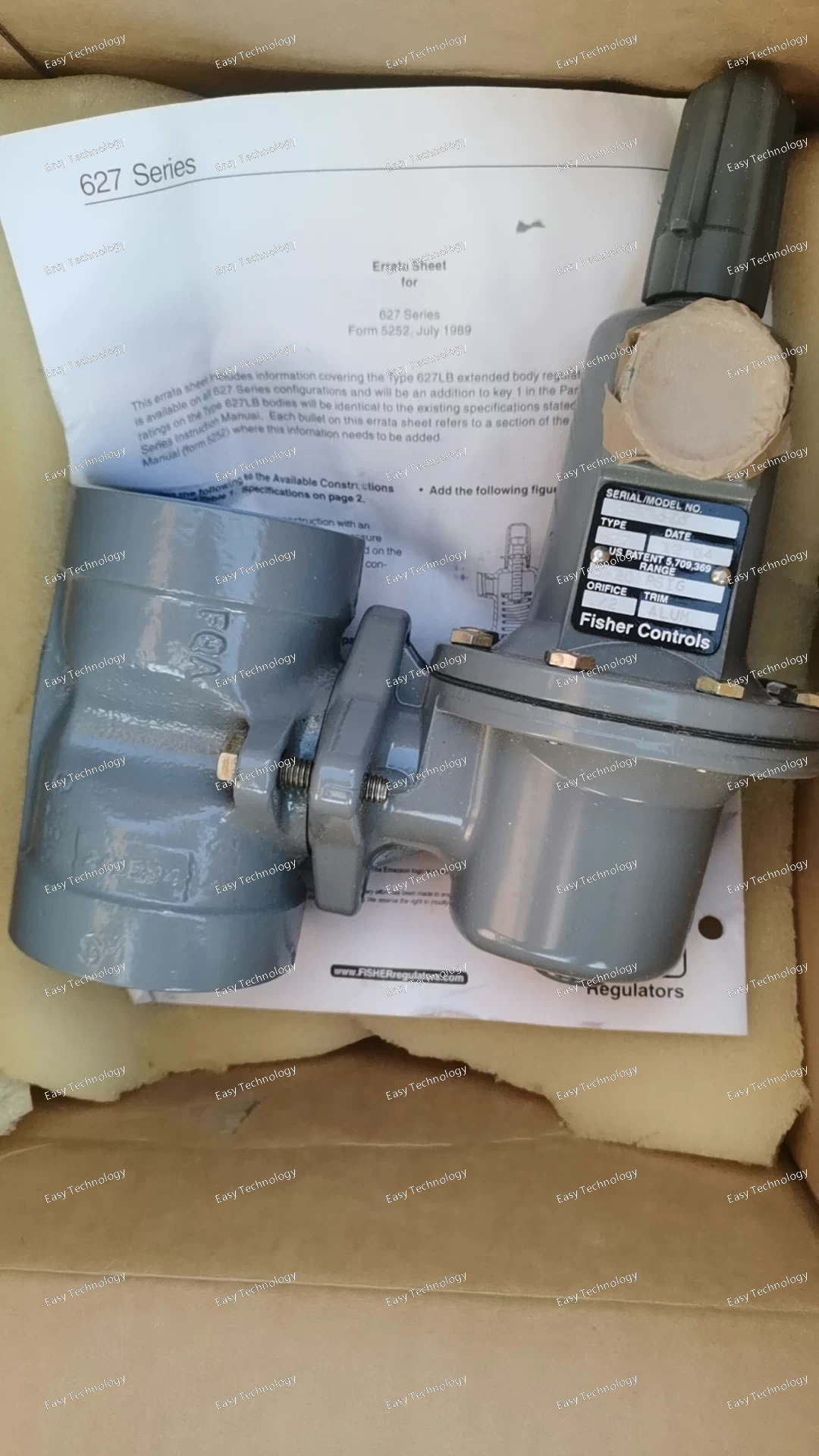
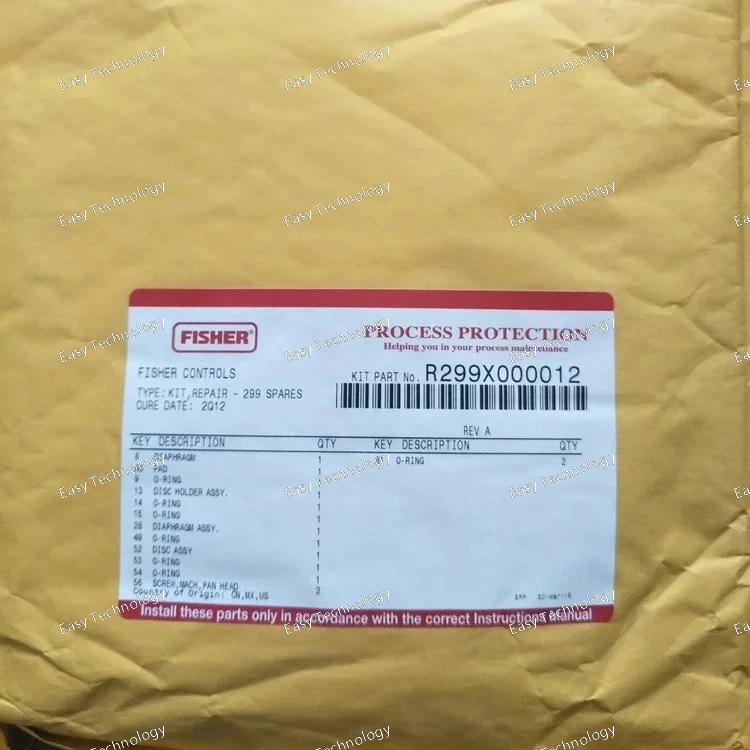
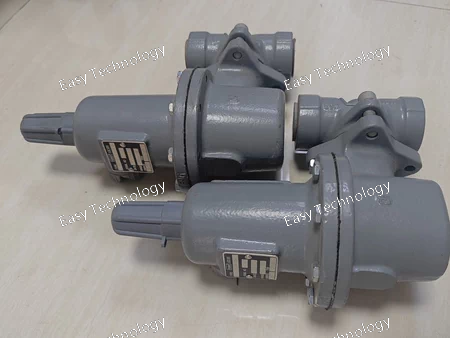
Parameters / Specifications
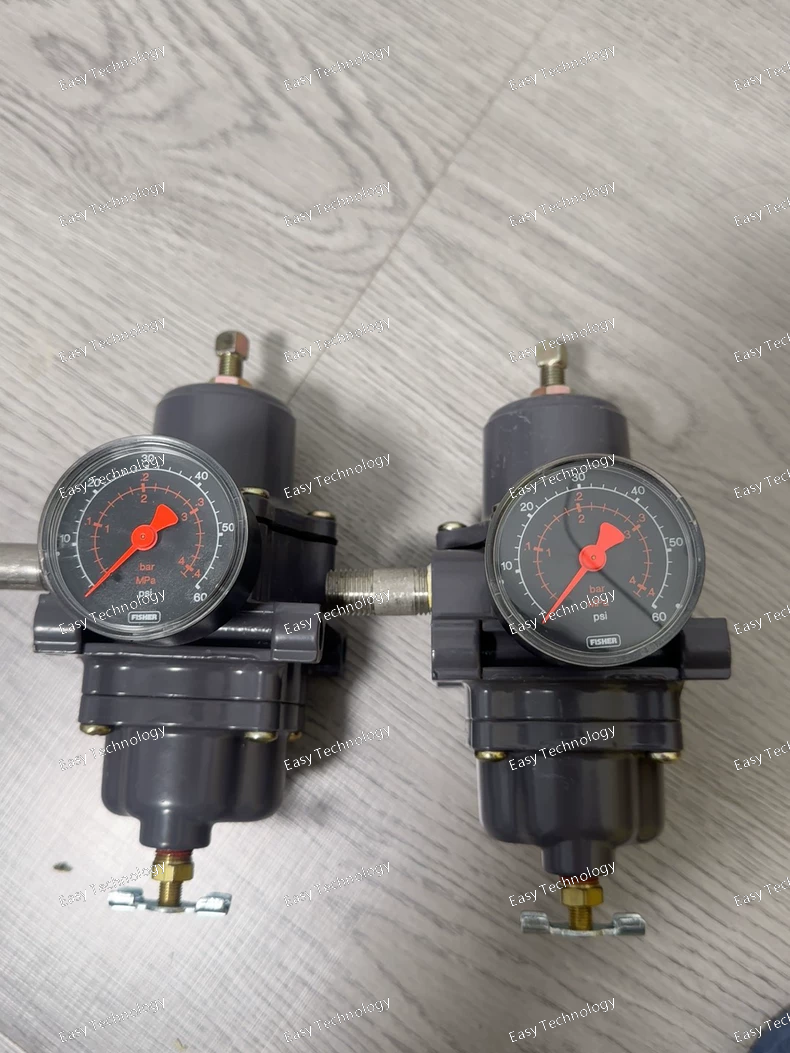
Model: 67CFR‑362
Series: Fisher 67C Series (Instrument Supply Regulators)
Body Material: Aluminum
Connections: ¼ inch NPT (inlet & outlet)
Maximum Inlet Pressure: 250 psig (≈17.2 bar)
Outlet (Regulated) Pressure Range: 0–35 psig (≈0–2.4 bar)
Maximum Emergency Outlet Pressure: 50 psig (≈3.4 bar) above set outlet pressure
Filter: Integral internal filter for particulate removal
Internal Relief Valve: Yes — soft-seat relief built in to protect downstream pressure
Temperature Capabilities (depending on elastomer):
Nitrile (NBR): –40 °F to +180 °F (≈ –40 °C to +82 °C)
Fluoroelastomer (FKM): 0 °F to +300 °F (≈ –18 °C to +149 °C)
Silicone (VMQ) with low-temperature bolting: –60 °F to +180 °F (≈ –51 °C to +82 °C)
Media: Air or compatible gases, compatible with elastomer and filter materials
Typical Applications: Instrument air supply regulation, pneumatic controllers, valve positioners, panel-mounted instrumentation, air chucks, spray guns
Approximate Weight: ~1 lb (≈0.5 kg)
Parameters / Specifications
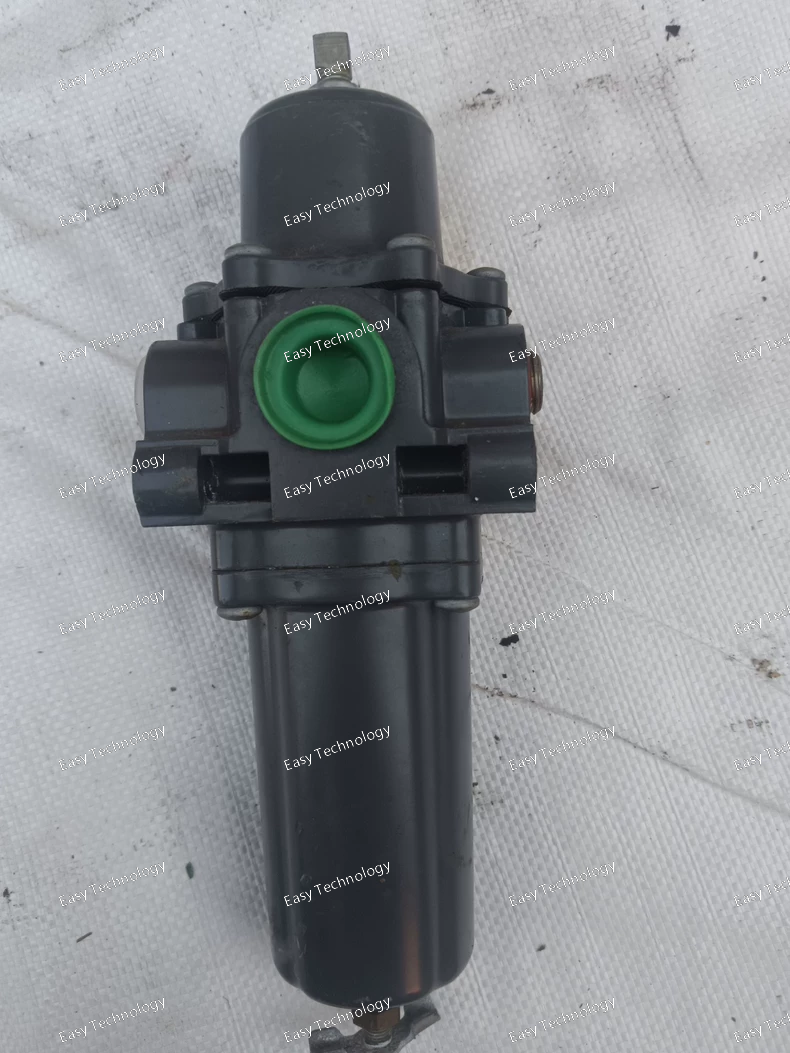
Model: 67DFR‑24
Series: Fisher 67D Series Pressure-Reducing Regulators
Construction Type: Filtered regulator with internal relief (integral filter + soft-seat relief)
Body Material: Aluminum
Connection Size / End Connections: ½ inch NPT (inlet & outlet)
Maximum Inlet Pressure (Body Rating): 250 psig (≈17.2 bar)
Maximum Emergency Outlet Pressure: Up to 150 psig (≈10.3 bar) over the outlet pressure setting
Filter Element: Integral 5 micron polyethylene filter; optional glass-fiber or stainless steel filters available
Temperature Capabilities (depending on elastomer/diaphragm):
Nitrile (NBR): –40 °F to +180 °F (≈ –40 °C to +82 °C)
Fluoroelastomer (FKM): 0 °F to +300 °F (≈ –18 °C to +149 °C)
Silicone (VMQ) diaphragm with low-temperature bolting: –60 °F to +180 °F (≈ –51 °C to +82 °C)
Approximate Weight: ~2.0 lb (≈0.9 kg)
Media: Air or compatible gases, subject to material compatibility
Typical Applications: Regulated supply for pneumatic instruments, pilot-operated devices, instrument air systems, and any application requiring both filtration and downstream pressure relief
Parameters / Specifications
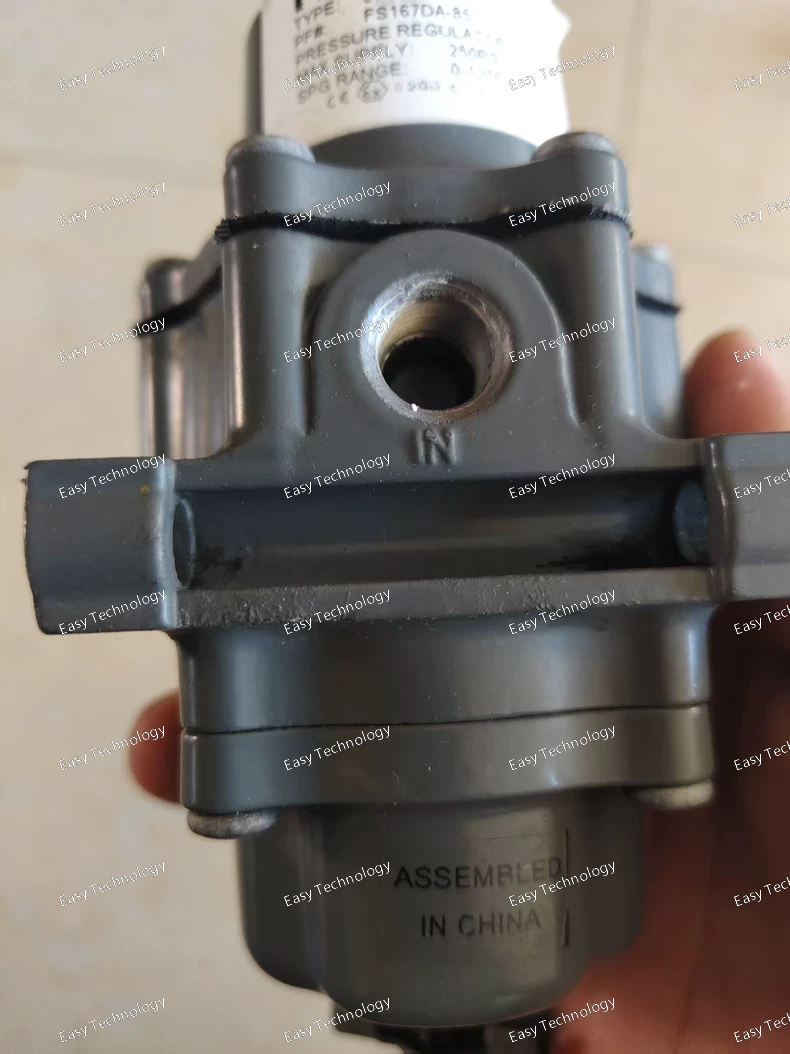
Model: 167DA‑85
Series: Fisher 167D Series (Switching Valves)
Type: Three-way switching valve (ports A, B, C plus control/vent port D)
Body Size & End Connections: Ports A and C: ¼ or ½ inch NPT; Vent and control (Port D) & Port B: ¼ inch NPT
Maximum Inlet Pressure (Body Rating): 125 psig (≈8.6 bar) standard; some versions up to 400 psig depending on construction
Set Pressure (Spring Range) Options: Typically 0–125 psig
Temperature Capabilities (depending on materials):
Nitrile (NBR) standard service: –20 °F to +180 °F (≈ –29 °C to +82 °C)
Low temperature service: –40 °F to +180 °F (≈ –40 °C to +82 °C)
Fluoroelastomer (FKM) high-temperature service: 0 °F to +300 °F (≈ –18 °C to +149 °C)
Approximate Weight: ~1.2 lb (≈0.5 kg) for standard aluminum body
Flow / Sizing Coefficients: Wide-open flow coefficient (Cv) for ¼ NPT size around 30.58; ½ NPT around 32.22
Construction Materials: Standard aluminum body and spring case; optional stainless steel available; diaphragm, valve stem, and plug materials vary
Media: Gaseous fluids (air or compatible gas) suitable for pilot-instrumentation, switching, venting, etc.
Applications: Switching of pneumatic circuits—when control pressure falls below or rises above a setpoint, it opens one port and closes another (typical fail-safe or lock-up arrangement)
Technical Specifications
Category Specification
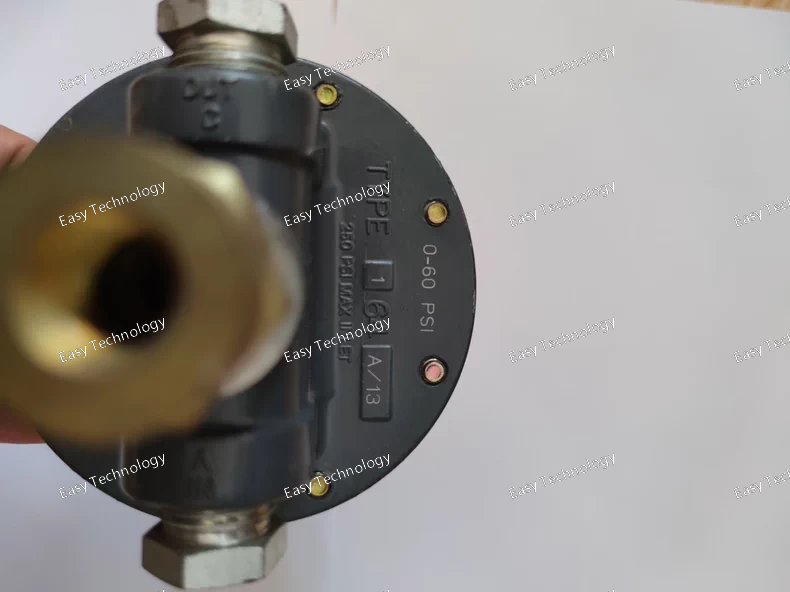
Model Type 64 A/13
Type Self-Operated Pressure Reducing Regulator
Function To reduce a higher, variable inlet pressure to a stable, lower outlet pressure.
Power Source Self-Operated (Uses energy from the process fluid)
Body Style Globe Valve Body
Trim Single-port, balanced or unbalanced plug.
End Connections Flanged (Typically ANSI Class 125 or 150 RF). The specific size (e.g., 1", 2") is defined by the full order code.
Outlet Pressure Range Defined by the "/13" configuration. This is a factory-calibrated range. Example ranges for a similar code could be 20 to 60 psig (1.4 to 4.1 bar) or 50 to 150 psig (3.4 to 10.3 bar). The exact range must be confirmed from the original factory data sheet.
Maximum Inlet Pressure Dependent on the body rating, but typically suitable for several hundred psig.
Temperature Limits Standard diaphragm materials are suitable for -20°F to +180°F (-29°C to +82°C).
Materials of Construction Body: Cast Iron (standard).
Trim: Stainless Steel (standard).
Diaphragm: Buna-N (standard).
Technical Specifications
Category Specification
Model R622H-DGJ
Type High-Performance Rotary Control Valve (Eccentric Plug)
Body Style Flanged, Angle Pattern (Standard for R/ET series)
End Connections Flanged, ANSI Class 300 RF (Interpreted from "62-2")
Valve Size Likely 2-inch (DN50). The exact size is defined by the "62" code.
Trim Characterization Eccentric Rotary Plug with approximately equal percentage flow characteristic.
Trim Material & Type Hardened Stainless Steel (17-4PH) for erosion/cavitation resistance (Interpreted from "H").
Leakage Class With metal seats, typically ANSI Class IV (0.01% of rated capacity). Tight shut-off (Class VI) may be achievable with special seats.
Actuator Type Pneumatic Spring-Diaphragm Actuator (defined by "DGJ" suffix).
Actuator Action Determined by "DGJ" code. Could be direct-acting (air-to-open) or reverse-acting (air-to-close). This must be confirmed from the datasheet.
Air Signal Standard 3-15 psig (0.2-1.0 bar).
Spring Range Defined by the "DGJ" code (e.g., 3-15 psig, 6-30 psig, etc.).
Temperature Range Standard from -50°F to +450°F (-46°C to +232°C). Extended ranges possible with special seals.
Technical Specifications
Category Specification
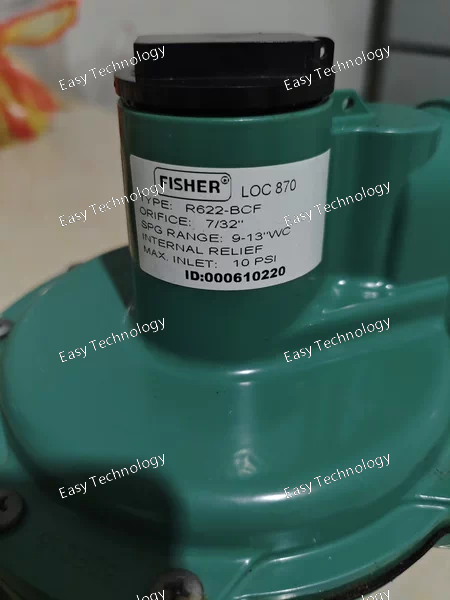
Model R622-BCF
Type Rotary Control Valve (Eccentric Plug)
Body Style Flanged, Angle Pattern (Standard for R/ET series)
End Connections Flanged, ANSI Class 300 RF (Interpreted from "62-2")
Valve Size Likely 2-inch (DN50). The exact size is defined by the "62" code.
Trim Characterization Eccentric Rotary Plug with approximately equal percentage flow characteristic.
Trim Material Standard Stainless Steel (e.g., 316 SS). The absence of an "H" suggests it is not a hardened trim.
Leakage Class With metal seats, typically ANSI Class IV (0.01% of rated capacity).
Actuator Type Pneumatic Spring-Diaphragm Actuator (defined by "BCF" suffix).
Actuator Action Determined by "BCF" code. Could be direct-acting (air-to-open) or reverse-acting (air-to-close). This must be confirmed from the datasheet.
Air Signal Standard 3-15 psig (0.2-1.0 bar).
Spring Range Defined by the "BCF" code (e.g., 3-15 psig, 6-30 psig, etc.).
Temperature Range Standard from -20°F to +450°F (-29°C to +232°C). Extended ranges possible with special seals.
Technical Specifications
Category Specification
Model Type 64R
Type Self-Operated Pressure Reducing Regulator
Function To reduce a higher, variable inlet pressure to a stable, lower, constant outlet pressure.
Power Source Self-Operated (Uses energy from the process fluid)
Body Style Globe Valve Body
End Connections Flanged (ANSI Class 125, 150, or 250 LB are common) or Screwed (NPT).
Valve Size Range Typically 1/2 inch to 3 inches (DN15 to DN80).
Trim Single-port, unbalanced plug. Various plug styles available for different flow characteristics.
Outlet Pressure Ranges Available in multiple, field-adjustable spring ranges. Common examples include:
• 5-50 psig (0.3-3.4 bar)
• 20-100 psig (1.4-6.9 bar)
• 50-200 psig (3.4-13.8 bar)
The specific range is determined by the spring installed.
Maximum Inlet Pressure Varies with body class. For a Class 150 body, it is typically 275 psig (19 bar) at 100°F.
Temperature Limits Standard with Buna-N diaphragm: -20°F to +180°F (-29°C to +82°C). Higher temperatures possible with special diaphragm materials.
Materials of Construction Body: Cast Iron (standard), Ductile Iron, Cast Steel.
Trim (Plug/Seat): Stainless Steel (standard).
Diaphragm: Buna-N (standard).
Technical Specifications
Category Specification
Fisher Part Number 627-576
Description Trim & Plug Kit or Seat Ring
Applicable Valve Series Likely for Fisher ED, ES, ET (Eccentric Rotary) or Cavitrol trim in globe valves.
Component Type Replaceable Trim Part (e.g., Seat Ring, Plug Kit)
Primary Function Provides the sealing surface and flow characterization. Replaces worn parts to restore valve performance.
Materials of Construction Typically Stainless Steel (e.g., 316 SS) or Hardened Stainless Steel (e.g., 17-4PH) for erosion resistance. The exact material is specific to this part number.
Pressure Class Dependent on the parent valve body (e.g., ANSI Class 150, 300, 600).
Leakage Class When installed with a matching plug, typically designed to achieve ANSI Class IV or better shut-off.
Technical Specifications
Category Specification
Model Type 299H
Type Pilot-Operated, Pop-Action Pressure Relief Valve
Function Overpressure Protection for pressurized systems.
Operation Pilot-Operated. The main valve is held closed by system pressure. The pilot valve senses pressure and, upon reaching setpoint, vents the pressure from atop the main valve piston, causing it to open fully.
Action Pop-Action (Rapid Opening)
Services Liquid, Gas, and Steam
Set Pressure Range Varies with valve size and service. Can be rated for a wide range, from low pressures to over 1000 psig (69 bar).
Blowdown Adjustable (typically 2-7% for steam/gas, 5-20% for liquid).
Main Valve Sizes Typically available in a range of sizes, e.g., 1" x 2", 1-1/2" x 3", 2" x 3", 3" x 4", 4" x 6" (Inlet x Outlet).
End Connections Flanged (ANSI Class 150, 300, 600, etc.) or Butt-Weld.
Body Materials Carbon Steel (standard), with other alloys like Stainless Steel available.
Pilot Valve Materials Stainless Steel (standard).
Standards Compliance Can be designed to meet ASME Boiler and Pressure Vessel Code, Section I and Section VIII.
Technical Specifications
Category Specification
Model 627W
Type Pneumatic Spring-and-Diaphragm Rotary Actuator
Weather Protection Weather-Resistant / Weather-Proof Design
Action Spring-Return (Single-Acting). Provides fail-safe operation.
Standard Travel 90 degrees
Air Signal 3 to 15 psig (0.2 to 1.0 bar) standard.
Spring Ranges Available in multiple spring ranges (e.g., 6-30 psig, 9-45 psig). The spring determines the air pressure required to stroke the actuator and the fail-safe action.
Torque Output Varies by actuator size and air supply pressure. The 627 series provides a range of torque outputs suitable for small to medium-sized rotary valves.
Mounting Designed for direct mounting to Fisher and other manufacturers' rotary valves using standardized mounting kits.
Diaphragm Material Nitrile (Buna-N) is standard.
Housing Material Coated Cast Iron or Aluminum for corrosion resistance.
Temperature Limits Standard: -20°F to +180°F (-29°C to +82°C).