
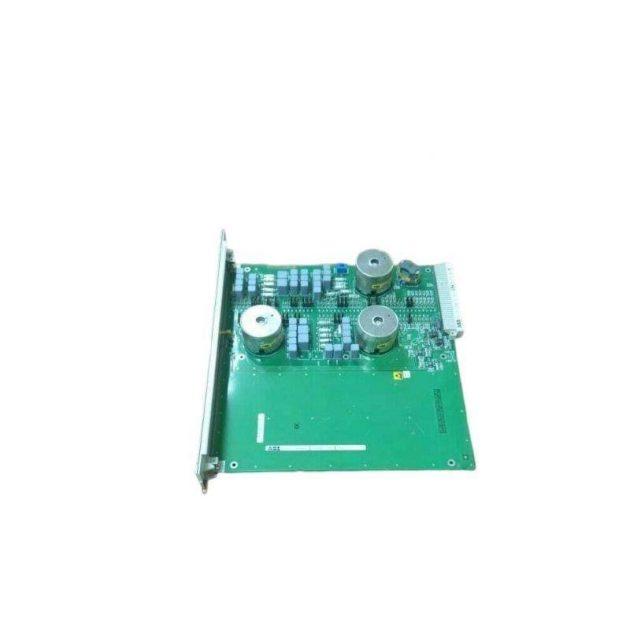
Technical Specifications
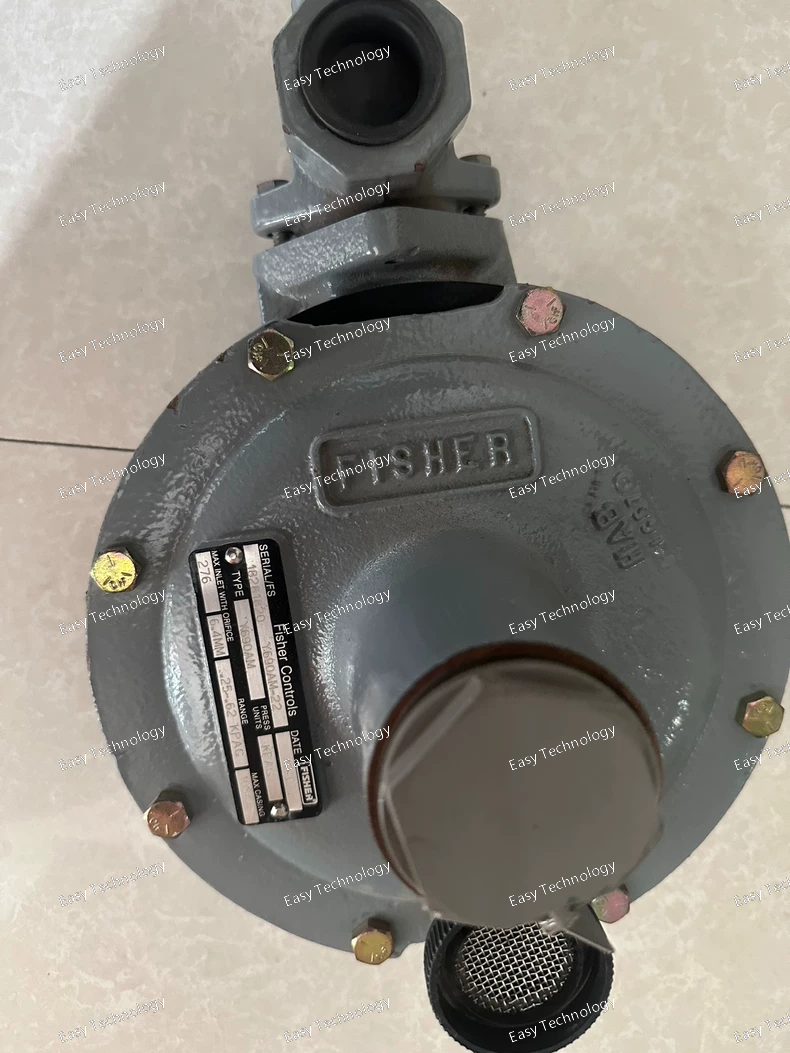
Parameter Specification
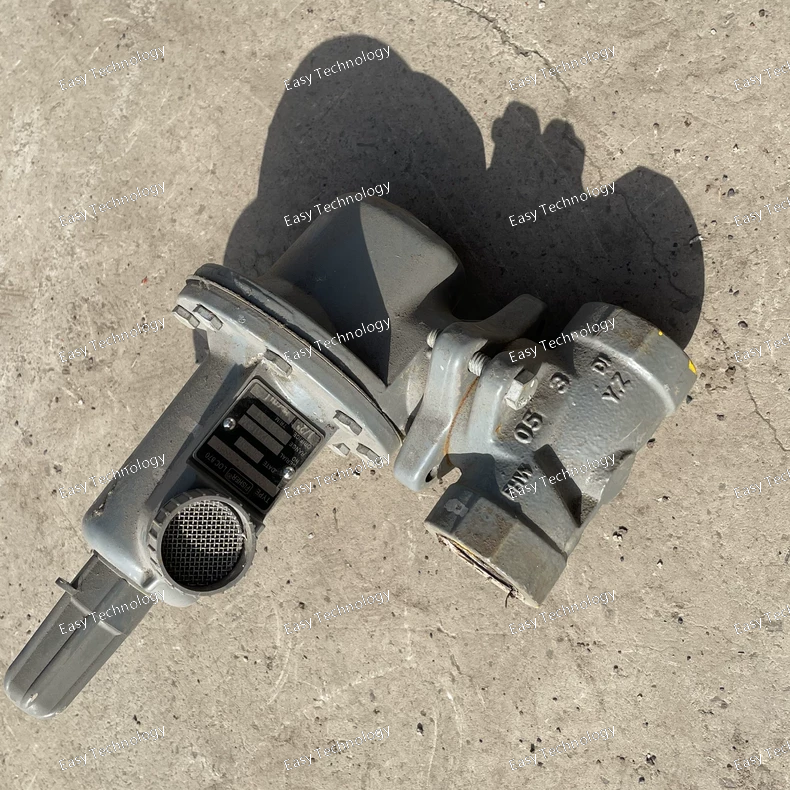
Model Series EZ
Valve Size 1 inch (DN25)
Pressure Class 150 LB (ANSI B16.5)
End Connections Screwed (NPT) or Flanged (configuration dependent)
Inlet Pressure Range Up to 250 psig (17.2 bar) (typical)
Outlet Pressure Range Field-adjustable (e.g., 5–60 psig or other spring-dependent range)
Flow Characteristic Self-operated (spring vs. diaphragm force balance)
Body Material Cast Iron (standard)
Trim Material Stainless Steel (standard)
Diaphragm Material Buna-N (standard)
Temperature Range -20°F to 180°F (-29°C to 82°C)
Technical Parameters
Parameter Value / Description
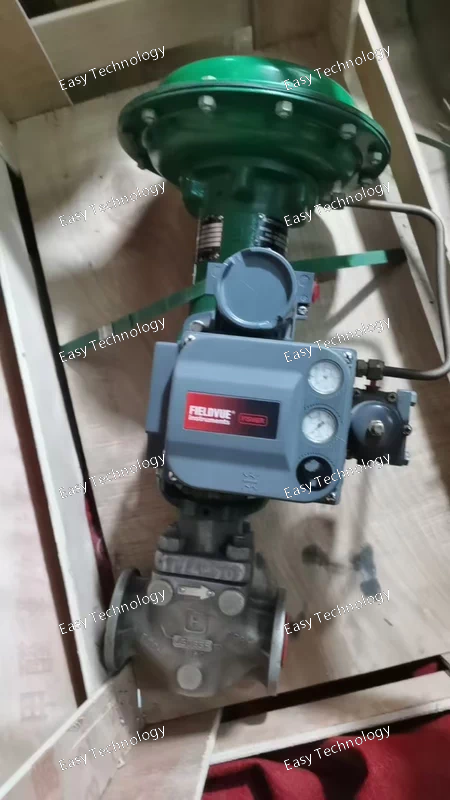
Manufacturer Fisher (Emerson Process Management)
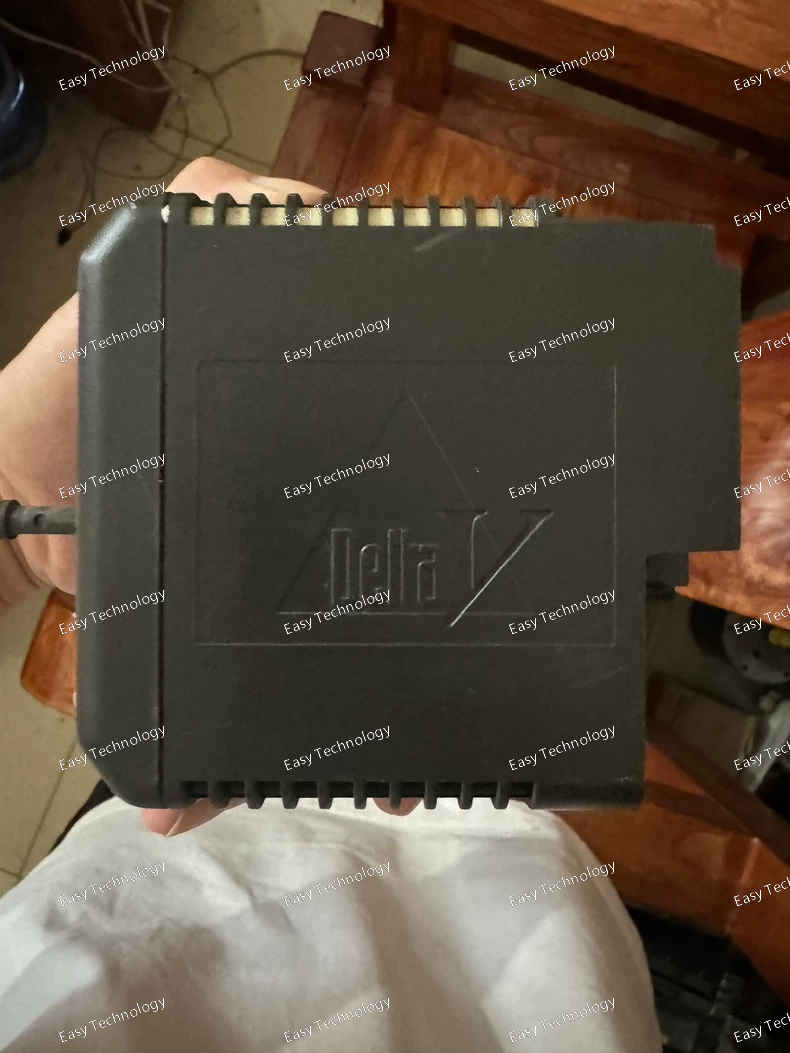
Product Series DVC2000 Series Digital Valve Controller
Fisher Model 17A5515X012
Universal Model DVC2000
Action Direct Acting (Increase in input signal causes increase in output pressure).
Actuator Type Single-Acting (Non-Interspring). For spring-return or single-acting piston actuators.
Supply Pressure Typically up to 150 psig (10.3 bar).
Output Pressure Up to the supply pressure limit.
Input Signal 4-20 mA DC, with HART protocol digital superimposition.
Supply Port 1/4 in. NPT (Female)
Output Port 1/4 in. NPT (Female)
Signal Port 1/2 in. NPT (Conduit connection)
Air Consumption Low steady-state consumption (typically < 0.2 SCFM / 0.005 Nm³/min).
Air Flow Capacity High capacity for fast valve stroking.
Enclosure Rating NEMA 4X (IP66). Weatherproof, watertight, and corrosion-resistant.
Ambient Temperature Standard: -40°F to 185°F (-40°C to 85°C).
Vibration Resistance Up to 2.5 g from 10 to 150 Hz.
Mounting Direct mount on Fisher rotary and linear actuators using appropriate mounting kits.
Communication Protocol HART (Highway Addressable Remote Transducer) Protocol, Version 5, 6, or 7.
Technical Specifications
Parameter Specification
Model 12P1731X032
Type Control Valve Assembly
Valve Style Globe Valve
Valve Size Likely 1.5 inch (encoded in "1731")
Pressure Class ANSI Class 150 or 300 (encoded in model number)
Actuator Type Pneumatic Spring-Diaphragm ("X032" configuration)
Actuator Action Spring-Return (fail-safe)
Air Signal 3-15 psig (0.2-1.0 bar) standard
Flow Characteristic Equal Percentage or Linear (trim dependent)
End Connections Flanged (RF facing standard)
Body Material Carbon Steel (WCB) standard
Trim Material Stainless Steel standard
Temperature Range -20°F to 450°F (-29°C to 232°C) standard
Parameters / Specifications
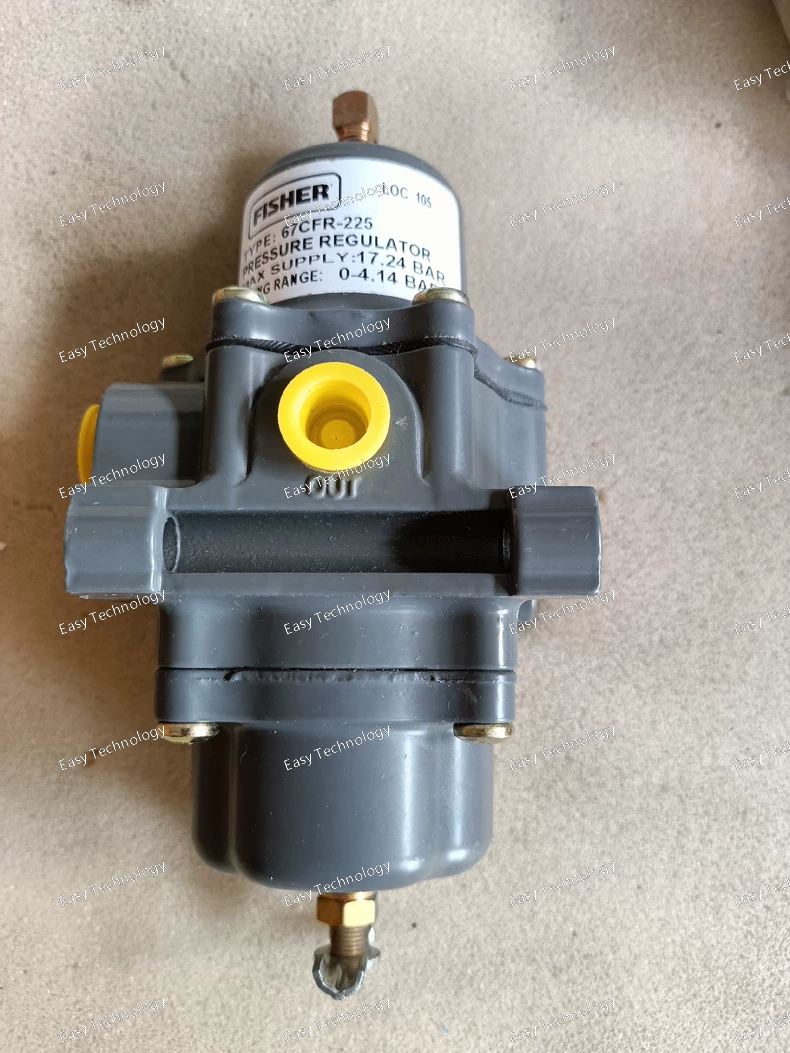
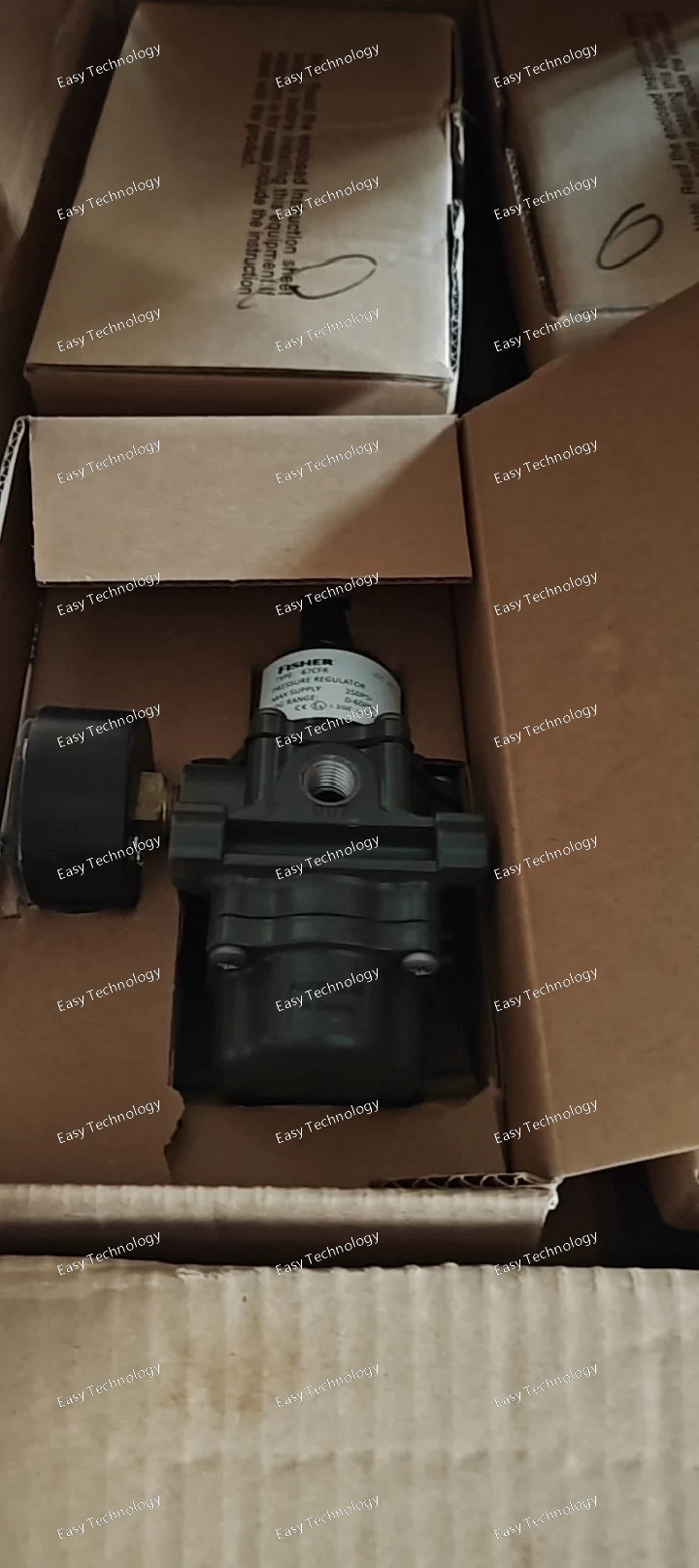
Based on the 67C Series general data and typical 67CFR variants, the likely specifications for the PF‑67CFR‑P262 are:
Model: Fisher PF‑67CFR‑P262
Series: Fisher 67C Series Instrument Supply Regulators
Construction Type: Direct‑operated regulator with filter and internal relief valve (67CFR)
Body Material: Aluminum alloy (standard for non‑stainless versions)
End Connections / Body Size: ¼‑inch NPT for inlet and outlet (standard for 67C Series)
Maximum Inlet Pressure (Body Rating): 250 psig (≈17.2 bar) for aluminum body version (all except stainless)
Maximum Emergency Outlet Pressure (Relief Margin): 50 psig (≈3.4 bar) above the set outlet pressure
Temperature Capability (depending on elastomer/filter selection):
Nitrile (NBR): approx. –40 °F to +180 °F (≈ –40 °C to +82 °C)
Fluoroelastomer (FKM): approx. 0 °F to +300 °F (≈ –18 °C to +149 °C)
Silicone (VMQ) diaphragm with low‑temperature bolting: approx. –60 °F to +180 °F (≈ –51 °C to +82 °C)
Media: Clean instrument air or compatible gases (assuming material compatibility)
Features: Filter cartridge included (part of the “F”), internal relief valve (part of the “R”), compact size, panel or inline mount capability
Approximate Weight: ~1 lb (~0.5 kg) for the ¼‑in NPT aluminum body version
Note: The exact outlet (regulated) pressure spring range for the “P262” suffix is not explicitly published in the general catalogue; typical spring ranges in the 67C Series include 0‑20 psig, 0‑35 psig, 0‑60 psig, 0‑125 psig, etc.
Additional technical data: The regulator offers excellent inlet‐sensitivity performance (e.g., less than 0.2 psig change in outlet for 25 psig change in inlet) and repeatability approx. 0.1 psig depending on elastomer.
Typical Applications: Instrumentation supply regulators for pneumatic controllers, valve positioners, air chucks, instrumentation panels.
Technical Specifications
Category Specification
Model 4160K
Type Pneumatic Force-Balance, Displacer-Type
Measurement Principle Buoyancy
Output Signal 3 to 15 psig (0.2 to 1.0 bar)
Supply Air Pressure 20 psig (1.4 bar) minimum, 35 psig (2.4 bar) maximum. A 20-35 psig supply is required for proper operation.
Air Consumption Approximately 0.5 SCFM (14 standard liters per minute) at maximum output.
Span Adjustment Typically from 5 to 50 inches (127 to 1270 mm) of H₂O buoyancy force. Adjustable via range spring.
Zero Adjustment External adjustment provided.
Accuracy Typically ±0.5% of span.
Repeatability Typically ±0.1% of span.
Materials of Construction Body/Bonnet: Cast Iron or Ductile Iron (epoxy coated).
Internals & Displacer: 316 Stainless Steel standard; other materials like Monel, Hastelloy available.
Process Connections Body: 2-inch NPT standard.
Displacer Chamber: 1½-inch or 2-inch NPT, or flanged options (e.g., 150# RF).
Ambient Temperature Limit -20° to +150°F (-29° to +66°C)
Process Temperature Limit Up to +750°F (+399°C) with extended bonnet and appropriate seals.
Approvals Intrinsically safe for Class I, Division 1, Groups B, C, and D hazardous locations. (Commonly approved by FM, CSA, etc.).
Category Specification
Fisher Part Number 627-1217-29855
Description Trim & Plug Kit Assembly
Applicable Valve Series Fisher ED, EDT, ES, EST, ET Series Eccentric Rotary Valves
Trim Type Eccentric Rotary Plug Trim
Plug Type Standard Eccentric Plug
Flow Characteristic Standard (Approximately Equal Percentage)
Primary Material Plug (Valve Ball): Hardened 17-4PH Stainless Steel
Sleeve/Seat: Typically 17-4PH SS or 316 SS
Hardness Plug is heat-treated (hardened) for enhanced wear and cavitation resistance.
Seat Leakage Classification When assembled with a compatible seat, typically meets ANSI Class IV (0.01% of rated capacity) or better.
Typical Service General service for liquids, gases, and steam. Ideal for applications requiring good shut-off and erosion resistance.
Category Specification
Model Y690AM-22
Type Pneumatic Spring-Diaphragm Actuator (Specifically, a Piston-Type for Rotary Valves)
Action Reverse Action (A) & Double-Acting (M)
• Reverse Action: Stem retracts with increasing air signal.
• Double-Acting: Requires air pressure to both open and close the valve. It has no spring and is not fail-safe.
Standard Air Signal 3 to 15 psig (0.2 to 1.0 bar)
Supply Air Pressure Maximum 100 psig (6.9 bar) supply pressure. The actual torque output is directly proportional to the supply pressure used.
Travel Standard travel is 90 degrees of rotation, suitable for quarter-turn valves.
Mounting Designed for direct mounting to Fisher V100, V150, V500, and other compatible rotary valve series via a standardized bracket.
Typical Torque Output The Y690A size provides a specific torque range. For precise torque values at different air pressures, you must consult the official Fisher torque chart. (e.g., With 100 psig air supply, the torque output can be in the range of several hundred lb-in).
Diaphragm / Piston Material Nitrile (Buna-N) is standard for elastomers; other materials are available for different temperatures and services.
Housing Material Cast aluminum or ductile iron, with a corrosion-resistant coating.
Temperature Limits Standard elastomers are suitable for temperatures between -20° to +180°F (-29° to +82°C).
Category Specification
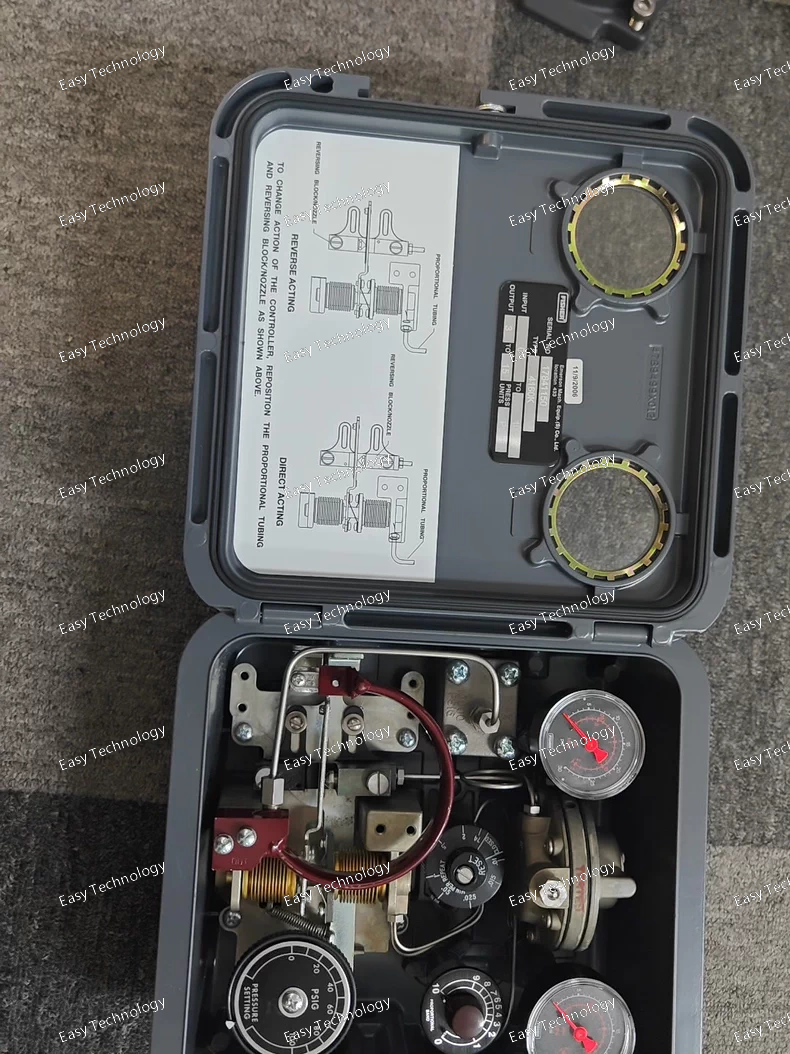
Fisher Part Number 67CF-1663-38531
Description Positioner and Supply Pressure Gauge Kit
Applicable Actuator Fisher 667 and 667AF Series (Size 30 to 120) Pneumatic Actuators
Positioner Type Pneumatic Force-Balance, Cylinder Type
Input Signal 3 to 15 psig (0.2 to 1.0 bar) standard pneumatic signal.
Supply Air Pressure Maximum 150 psig (10.3 bar). Typical operating supply is higher than the signal pressure, often in the 40-100 psig range, to provide sufficient power.
Air Consumption Approximately 3.0 SCFM (85 standard liters per minute) at maximum output.
Action Direct or Reverse. The action of the positioner (whether the actuator stem extends or retracts with an increasing signal) is field-reversible.
Feedback Mechanism Direct mechanical feedback linkage from the actuator's piston rod.
Housing Weather-resistant, gasketed aluminum enclosure.
Gauge Included pressure gauge for monitoring supply air pressure.
Mounting Directly mounts to the actuator as a complete assembly.
Performance Linearity: Typically ±1% of span.
Hysteresis: Typically less than 0.5% of span.
Temperature Limits Standard instrument air quality is required. The positioner is suitable for standard industrial ambient temperatures.
Category Specification
Model BZDCSSZT01-E6
Product Line Fisher Explosion Suppression Systems
Device Type Control & Detection Unit (CDU) / Control Panel
Function To monitor pressure detectors and initiate explosion suppression sequences.
Inputs Typically receives signals from Quasar or other high-speed pressure detectors.
Outputs Electrical signals to activate suppressant bottles (squibs/actuators).
Compliance Designed to meet relevant international standards for explosion protection equipment.
Typical Integration Part of a complete system including pressure detectors, suppressant bottles, mounting hardware, and control wiring.
Category Specification
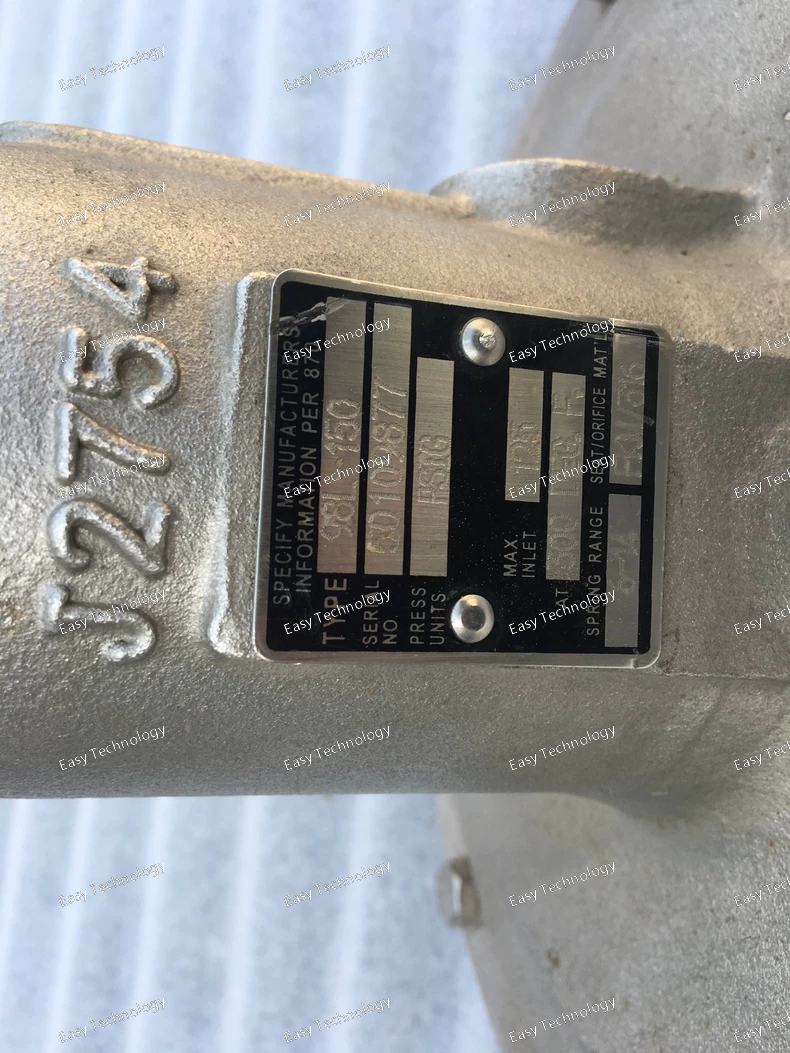
Model 98L-150
Type Pilot-Operated, Spring-Loaded Pressure Regulator (Pilot)
Function Pressure Reducing Regulator
Outlet Pressure Range 15 to 150 psig (1.0 to 10.3 bar). This is the adjustable range for the controlled outlet pressure.
Maximum Inlet Pressure Typically up to 400 psig (27.6 bar) or higher, depending on the specific main valve body it is mounted on.
Pressure Rating (Body) Dependent on the main valve body (e.g., ANSI Class 150, 300, 600).
Internal Relief Capacity The 98L pilot often includes an internal relief mechanism to vent excess downstream pressure if it overcomes the setpoint.
Supply Uses the process fluid from the upstream (inlet) side of the main regulator as its power source.
Materials of Construction Body: Cast Iron or Ductile Steel (standard).
Internals: Stainless Steel, Brass.
Temperature Limits Suitable for standard industrial temperatures. Specific limits depend on the elastomers used in the diaphragm and seals (e.g., Buna-N standard).
Port Connections Typically 1/4" or 1/2" NPT for the sensing and control lines.