
 home
home
 Published: May 25, 2026 10:07 AM
 Page View: 106
Global industrial exports continue to face unprecedented pressure as supply chain disruptions reshape manufacturing, logistics, and international trade. From semiconductor shortages and geopolitical tensions to shipping delays and fluctuating raw material costs, exporters in 2026 must adapt quickly to remain competitive. Industrial manufacturers and automation suppliers are now prioritizing resilience, flexibility, and digital transformation to minimize operational risks and maintain steady global deliveries.

The industrial sector has always relied heavily on efficient supply chains. However, the post-pandemic era exposed vulnerabilities in global sourcing networks. Many manufacturers discovered that depending on a single supplier or region created major risks when transportation bottlenecks or factory shutdowns occurred. Today, companies are redesigning procurement strategies to avoid similar disruptions in the future.
One of the most significant challenges affecting industrial exports is the continued shortage of critical electronic components. Semiconductors, PLC modules, industrial sensors, power supplies, and communication chips remain in high demand across industries including automotive manufacturing, renewable energy, robotics, and smart factory automation. As global demand increases, lead times for some industrial components can extend from several weeks to many months.
To overcome these challenges, industrial exporters are increasingly adopting diversified sourcing strategies. Instead of relying on one supplier, companies now establish partnerships with multiple manufacturers across different regions. This approach helps reduce dependency on a single production hub and improves supply continuity during regional disruptions. Businesses that successfully diversify suppliers can respond faster to changing market conditions while minimizing delays for international customers.
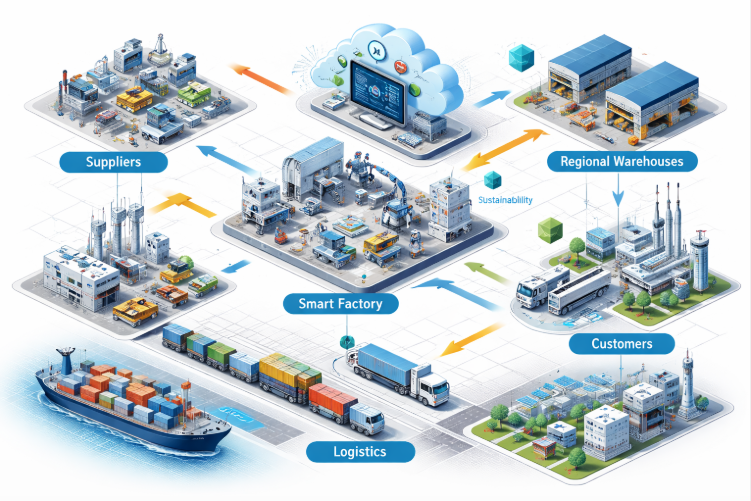
Another important trend is the rise of localized inventory management. Many exporters are building regional warehouses closer to major customer markets. By maintaining inventory in strategic locations such as Southeast Asia, Europe, and North America, companies can shorten delivery times and improve customer satisfaction. Regional distribution centers also help businesses reduce transportation risks caused by port congestion or customs delays.
Digital transformation is playing a critical role in modern supply chain management. Advanced industrial software, AI-powered forecasting systems, and IoT-based tracking solutions now provide real-time visibility into inventory levels, shipping status, and supplier performance. Smart analytics allow exporters to predict potential disruptions before they become serious operational problems. Companies that invest in supply chain visibility platforms gain stronger control over production schedules and international logistics.
Automation technology is also helping manufacturers improve supply chain resilience. Smart factories equipped with robotics, automated inspection systems, and predictive maintenance tools can continue operating efficiently even during labor shortages or unexpected disruptions. Industrial automation reduces dependency on manual processes while increasing production accuracy and consistency. As a result, exporters can maintain stable output levels despite challenging market conditions.
Shipping and logistics remain another major concern for industrial exporters in 2026. Rising freight costs, limited container availability, and geopolitical instability continue to affect international transportation routes. To reduce risk, many companies now combine multiple shipping methods including sea freight, rail transport, and air cargo depending on urgency and product type. Flexible logistics planning has become essential for ensuring on-time deliveries.
Cybersecurity has also become a growing priority within global supply chains. As industrial companies adopt cloud platforms and digital logistics systems, the risk of cyberattacks targeting supply chain infrastructure has increased significantly. Exporters are investing heavily in cybersecurity protection, encrypted communication networks, and secure supplier management systems to safeguard operational data and prevent costly disruptions.
Sustainability considerations are also influencing supply chain decisions. International buyers increasingly prefer suppliers that demonstrate environmentally responsible practices. Industrial exporters are therefore working to reduce carbon emissions through optimized transportation routes, energy-efficient manufacturing systems, and recyclable packaging materials. Green supply chain initiatives not only improve environmental performance but also strengthen brand reputation in competitive export markets.
Another strategy helping exporters navigate disruptions is stronger supplier collaboration. Long-term partnerships with trusted vendors improve communication, forecasting accuracy, and production planning. Instead of focusing only on short-term purchasing costs, companies are now emphasizing reliability, transparency, and strategic cooperation. Close supplier relationships enable faster responses during emergencies and improve overall operational stability.
The demand for obsolete and hard-to-find industrial components has also increased dramatically. Many factories worldwide still rely on legacy automation systems that cannot be easily replaced. Exporters specializing in discontinued PLCs, DCS modules, and industrial electronics are playing a crucial role in supporting aging manufacturing infrastructure. By maintaining access to difficult-to-source inventory, these suppliers help global manufacturers avoid costly downtime and production interruptions.
Government policies and trade regulations are further reshaping industrial supply chains. Tariffs, export restrictions, and regional manufacturing incentives are encouraging companies to reconsider where products are sourced and assembled. Many exporters are now exploring nearshoring and regional production strategies to reduce dependence on distant suppliers. This shift is creating new opportunities for industrial technology providers in emerging manufacturing markets.
Looking ahead, supply chain resilience will remain one of the most important competitive advantages for industrial exporters. Companies that embrace digital innovation, supplier diversification, inventory optimization, and flexible logistics will be better positioned to handle future disruptions. Businesses that fail to modernize risk losing market share in an increasingly uncertain global environment.
Despite ongoing challenges, the future of industrial exports remains strong. Global demand for automation equipment, semiconductor technologies, industrial robotics, and smart manufacturing systems continues to grow rapidly. Exporters that adapt strategically can transform supply chain disruptions into opportunities for innovation and long-term growth.
As industries worldwide accelerate digital transformation and factory modernization, reliable supply chain management will become more critical than ever. Companies that prioritize resilience, efficiency, and customer-focused logistics will continue leading the next generation of global industrial trade.