
 home
home
 Published: May 23, 2026 02:24 PM
 Page View: 115
The semiconductor industry continues to be one of the most dynamic and strategically critical sectors globally. With the rise of advanced technologies such as artificial intelligence (AI), 5G, electric vehicles (EVs), and the Internet of Things (IoT), semiconductor equipment has become increasingly sophisticated and essential for meeting market demand. For exporters, staying ahead of evolving equipment trends is not only a competitive advantage but also a necessity to thrive in the increasingly complex global supply chain.
1. Shift Toward Advanced Lithography Systems
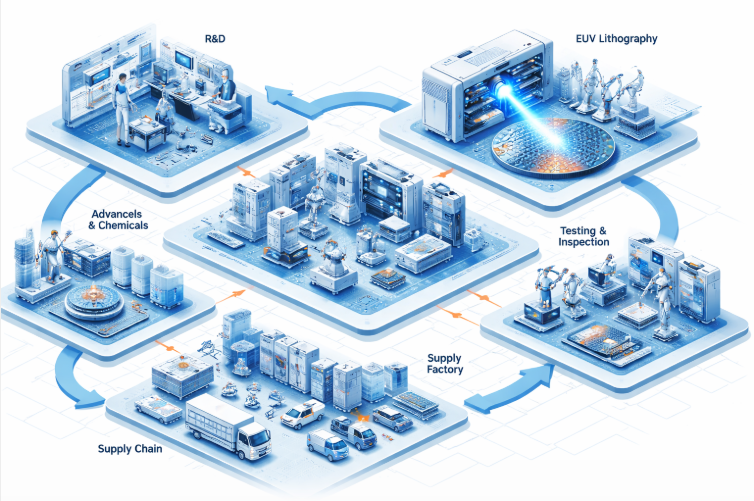
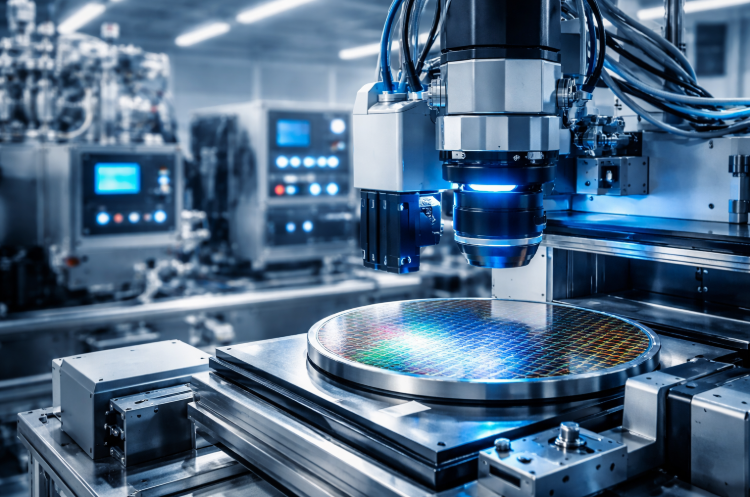
One of the most significant trends in semiconductor manufacturing is the increasing reliance on advanced lithography systems, particularly extreme ultraviolet (EUV) lithography. EUV technology enables manufacturers to produce smaller, more powerful, and energy-efficient chips, crucial for AI processors, high-performance computing, and next-generation mobile devices. Exporters must recognize that EUV systems are not only capital-intensive but also highly specialized, requiring skilled personnel and comprehensive maintenance solutions. Offering support services and integration expertise alongside equipment can create additional value for international clients.
2. Growing Adoption of Automation and Robotics
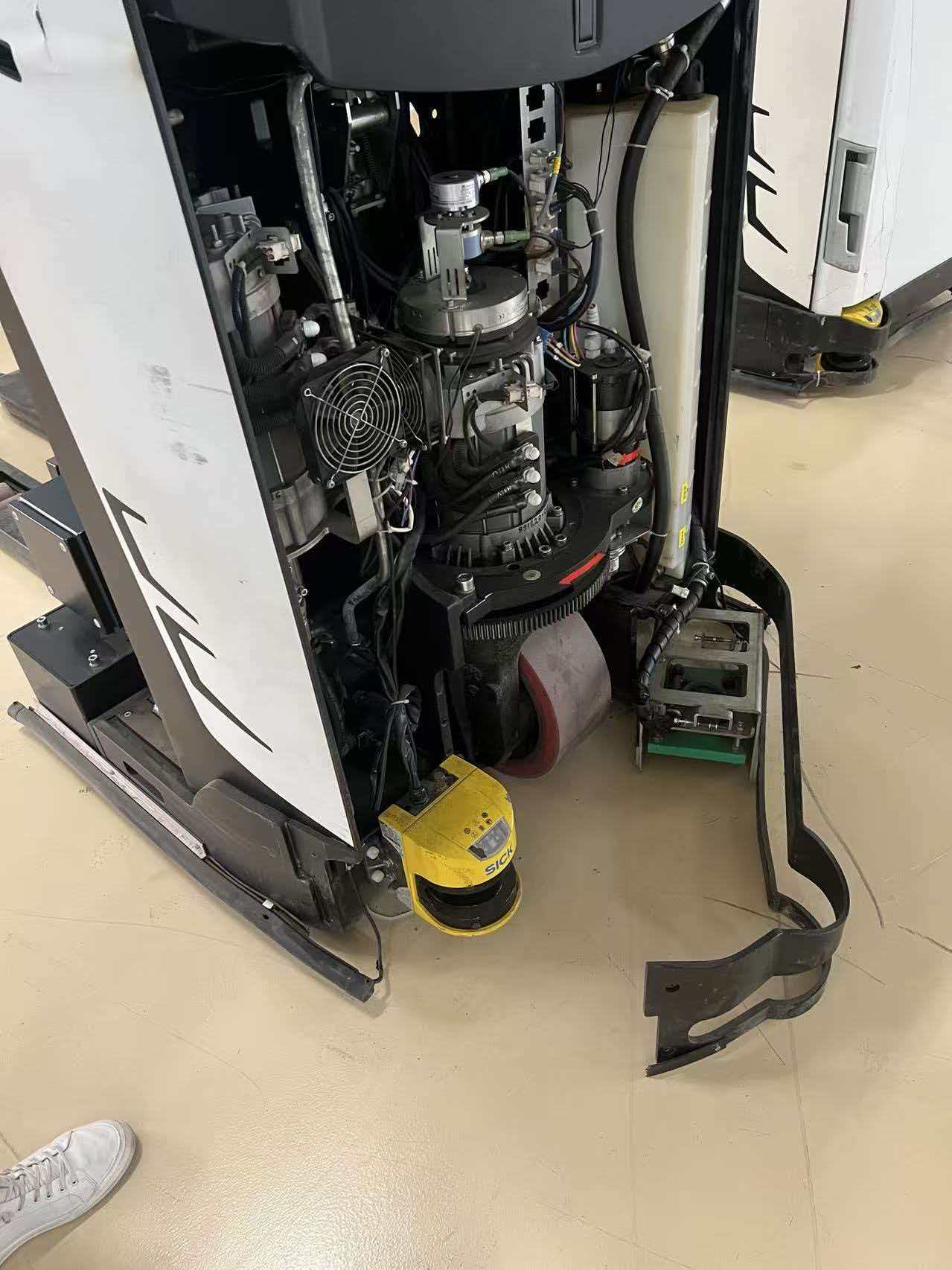
Automation has become central to semiconductor fabrication plants (fabs), driven by the need for higher yield, precision, and reduced human error. Robotics solutions, automated material handling systems (AMHS), and smart manufacturing platforms are becoming standard in advanced fabs. Exporters targeting international clients should focus on equipment that enhances throughput while minimizing labor dependency. Additionally, providing after-sales services such as predictive maintenance solutions, training programs, and process optimization can significantly strengthen global customer relationships.
3. Emphasis on Green and Energy-Efficient Equipment
Sustainability is no longer optional. Semiconductor manufacturing is energy-intensive, and governments worldwide are imposing stricter environmental regulations. Equipment that minimizes energy consumption, reduces water usage, and optimizes chemical handling is increasingly favored. Exporters must anticipate that clients will prioritize suppliers with green, eco-friendly solutions. Highlighting compliance with international environmental standards can be a decisive factor in winning contracts across Europe, North America, and Asia.
4. Integration of AI and Predictive Maintenance
Artificial intelligence is revolutionizing semiconductor equipment by enabling predictive maintenance and real-time process monitoring. AI-driven analytics can detect anomalies before equipment failure occurs, improving uptime and reducing operational costs. Exporters who provide AI-enabled solutions gain a distinct advantage by helping fabs achieve higher productivity and operational efficiency. Additionally, integrating AI capabilities into equipment allows for more responsive service and remote diagnostics, which is especially valuable for international clients.
5. Customization and Modular Solutions
No two fabs are identical. Semiconductor manufacturers are increasingly seeking modular, customizable equipment that can adapt to different process nodes and production scales. Exporters should focus on offering flexible solutions that accommodate diverse client requirements while maintaining performance and reliability. Equipment that can be upgraded or expanded without requiring full replacement is highly attractive to global customers seeking long-term value and reduced capital expenditure.
6. Supply Chain Resilience and Regional Diversification
Recent global disruptions, including geopolitical tensions and supply chain bottlenecks, have highlighted the importance of equipment availability and delivery reliability. Exporters must plan for flexible logistics, regional support centers, and rapid spare parts delivery. Building strong local partnerships and providing technical support in target markets can enhance credibility and trust, ensuring clients can maintain continuous operations despite global uncertainties.
7. Digital Twins and Simulation-Driven Manufacturing
Digital twin technology, which creates a virtual replica of manufacturing processes and equipment, is becoming a game-changer in semiconductor production. Exporters offering equipment that supports digital simulation can enable clients to optimize process parameters, reduce downtime, and accelerate new product introduction. By demonstrating how equipment integrates with clients’ digital ecosystems, exporters can position themselves as partners in innovation rather than merely suppliers.
Conclusion
For exporters in the semiconductor equipment sector, staying informed about these trends is crucial. Advanced lithography, automation, energy efficiency, AI integration, customization, supply chain resilience, and digital twin technology are shaping the next generation of semiconductor manufacturing. Companies like Easy Semiconductor Technology (Hong Kong) Limited are well-positioned to guide international clients through this rapidly evolving landscape by providing cutting-edge, reliable, and sustainable equipment solutions. By anticipating market demands and delivering comprehensive, adaptable solutions, exporters can secure long-term partnerships and maintain a competitive edge in a global industry that shows no signs of slowing down.