
 home
home
 Published: May 23, 2026 01:52 PM
 Page View: 114
As industrial operations worldwide face increasing pressure to optimize performance and reduce downtime, upgrading core control systems has become a critical strategy. Programmable Logic Controllers (PLCs) and Distributed Control Systems (DCS) form the backbone of modern industrial plants. When these systems are outdated or underperforming, they can create bottlenecks, increase maintenance costs, and compromise production quality. In 2026, industry leaders are focusing on targeted PLC and DCS upgrades to drive efficiency, reliability, and profitability.
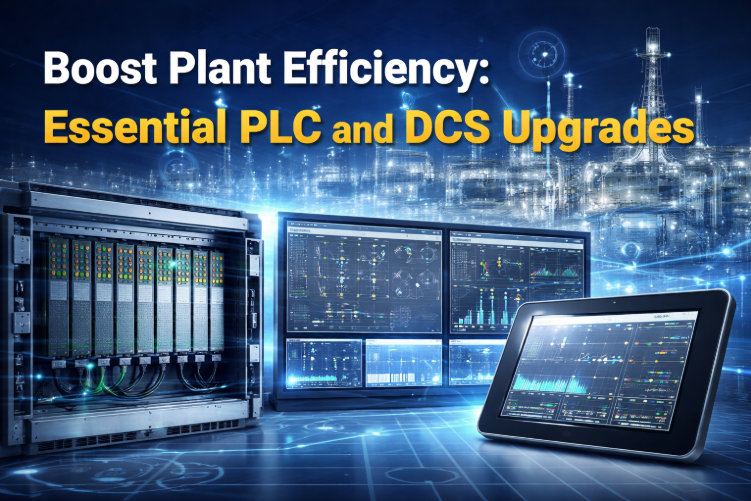
Many industrial plants still rely on legacy control systems installed decades ago. While these systems have historically served their purpose, evolving production demands, digital integration, and stricter regulatory standards expose their limitations. Older PLCs may struggle with complex automation sequences or real-time data handling, while legacy DCS platforms often lack the scalability required for modern distributed processes. As a result, manufacturers face unplanned downtime, reduced output, and higher operational costs.
Upgrading to modern PLCs and DCS platforms addresses these challenges. Advanced systems provide faster processing, greater connectivity, and improved diagnostics. This not only reduces the likelihood of system failures but also enables predictive maintenance strategies, allowing plant operators to address potential issues before they escalate.
Modern PLCs offer a range of features designed to enhance plant efficiency:
High-Speed Processing: Contemporary PLCs can manage complex control loops and high-frequency operations, reducing latency and improving production consistency.
Enhanced Connectivity: Integration with IoT devices, cloud platforms, and industrial networks allows real-time monitoring and remote control, optimizing operational decisions.
Advanced Diagnostics: Built-in monitoring tools provide early warning signals of equipment wear or process anomalies, enabling proactive maintenance.
Scalability: Modern PLCs can expand easily to accommodate additional sensors, actuators, and control loops, supporting plant growth and diversification.
DCS upgrades complement PLC improvements by streamlining process automation across large-scale plants. Key benefits include:
Centralized Control: Modern DCS platforms unify control across multiple units, reducing manual interventions and ensuring consistent process parameters.
Data Integration: Advanced DCS solutions consolidate data from various sources, enabling actionable insights and informed decision-making.
Cybersecurity Enhancements: With increasing connectivity, DCS upgrades include robust security protocols to protect sensitive operational data from cyber threats.
User-Friendly Interfaces: Intuitive HMI (Human-Machine Interface) design simplifies operator interaction, reducing errors and training time.
Recent implementations demonstrate the tangible benefits of strategic PLC and DCS upgrades. A chemical manufacturing plant in Hong Kong reported a 20% increase in overall equipment effectiveness (OEE) after replacing its legacy PLCs with next-generation models. Similarly, a power generation facility reduced unplanned downtime by 35% by upgrading its DCS platform, while gaining real-time insights that optimized energy consumption.
For plant managers, the process begins with a thorough system assessment. Identifying performance bottlenecks, understanding operational requirements, and evaluating compatibility with existing infrastructure are critical first steps. Collaborating with experienced automation partners, such as Easy Semiconductor Technology (Hong Kong) Limited, ensures a smooth transition with minimal production disruption.
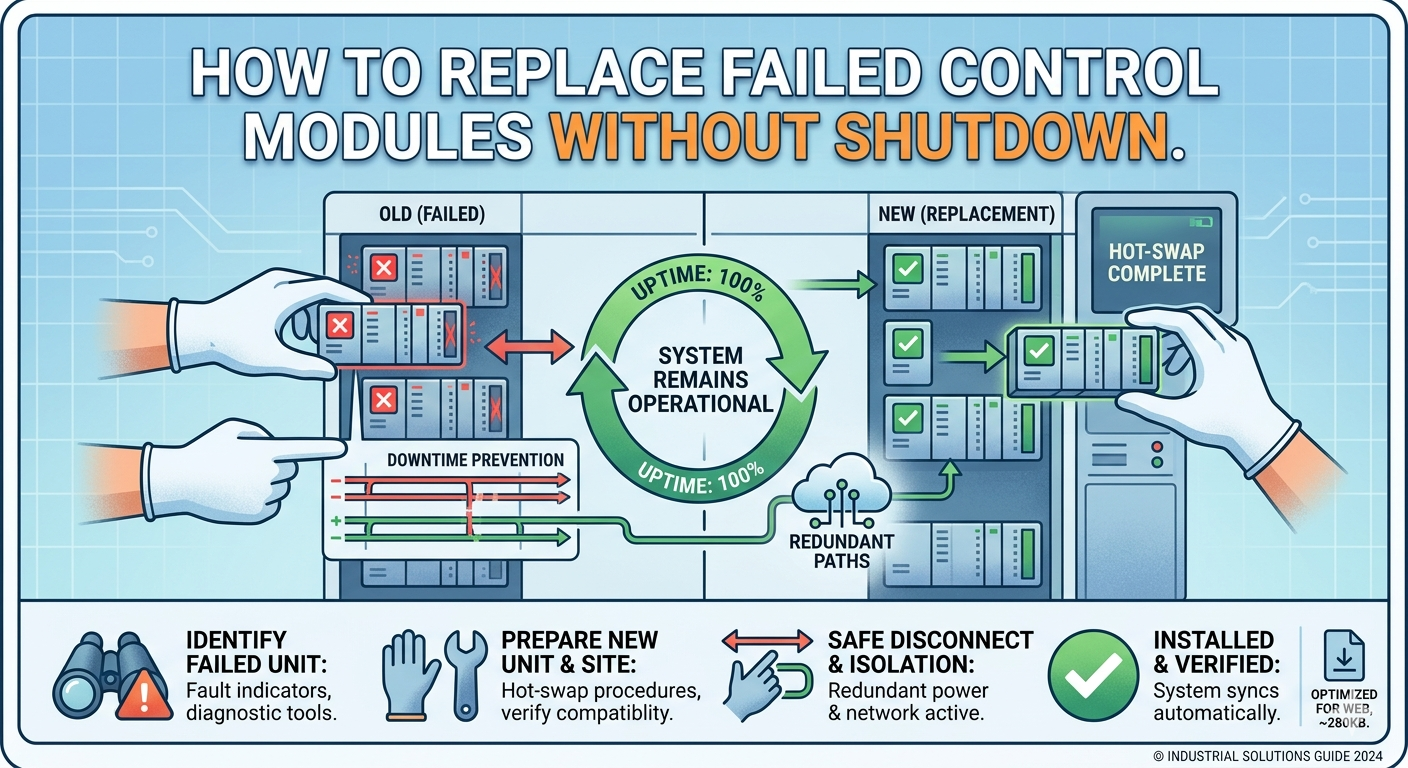
Additionally, phased implementation strategies are recommended. This allows plants to maintain operational continuity while gradually introducing new PLC or DCS modules. Operator training, documentation updates, and system validation are essential components of a successful upgrade project.
As industrial automation continues to evolve, the integration of artificial intelligence (AI), machine learning (ML), and digital twins will further enhance PLC and DCS capabilities. Upgraded systems today lay the foundation for tomorrow’s smart factories, where predictive maintenance, self-optimizing processes, and fully automated decision-making become standard.
For manufacturers aiming to maintain a competitive edge, investing in PLC and DCS upgrades is no longer optional—it is a strategic necessity. By enhancing control system performance, reducing downtime, and enabling data-driven operations, these upgrades drive plant efficiency, cost savings, and long-term sustainability.
Upgrading PLCs and DCS platforms is a pivotal step for industrial plants seeking operational excellence. From faster processing and improved diagnostics to centralized control and cybersecurity, the benefits of modern automation systems are clear. With expert partners guiding the upgrade process, manufacturers can confidently embrace the next generation of industrial automation, achieving both productivity gains and resilient operations.
Easy Semiconductor Technology (Hong Kong) Limited continues to support industrial clients worldwide with advanced automation solutions, ensuring that plants not only meet today’s challenges but also capitalize on tomorrow’s opportunities.